




THE JOURNAL | Pastry Arts Magazine
Using Single Origins to Craft - Thoughtfully Paired Flavors
In Partnership with Guittard Chocolate Company
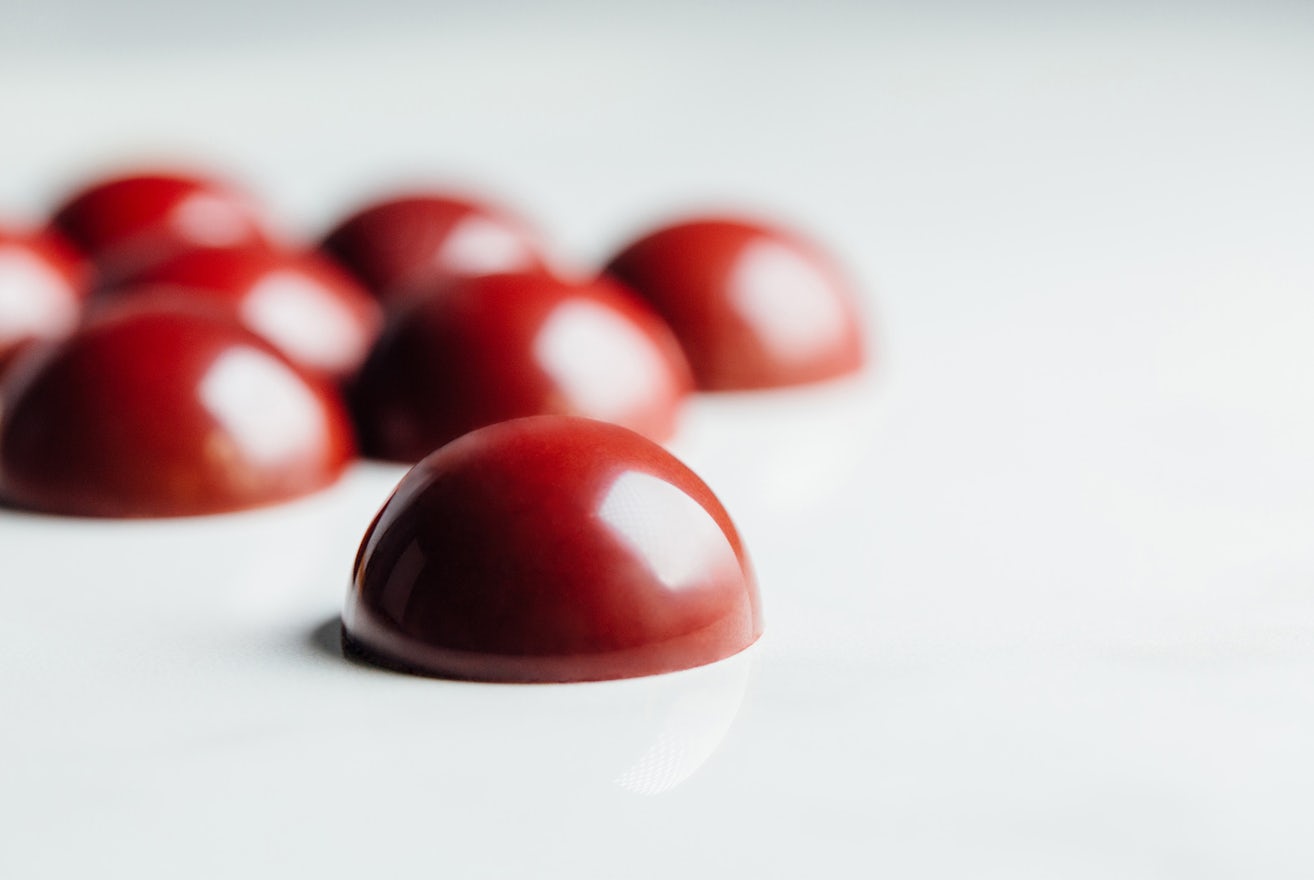
As pastry professionals, we understand the importance of flavor, and even more so, of high-quality ingredients in creating a memorable food experience for diners. We understand that not all ingredients are created equal—in fact, some ingredients, like single-origin chocolates, were created for the sake of highlighting certain flavors and the stories those flavors evoke as a means of ultimately achieving a carefully designed dish. Like any great story, a great dish requires the right elements; for pastry chefs, bakers, and confectioners, this begins with the ingredients they choose for their creations.
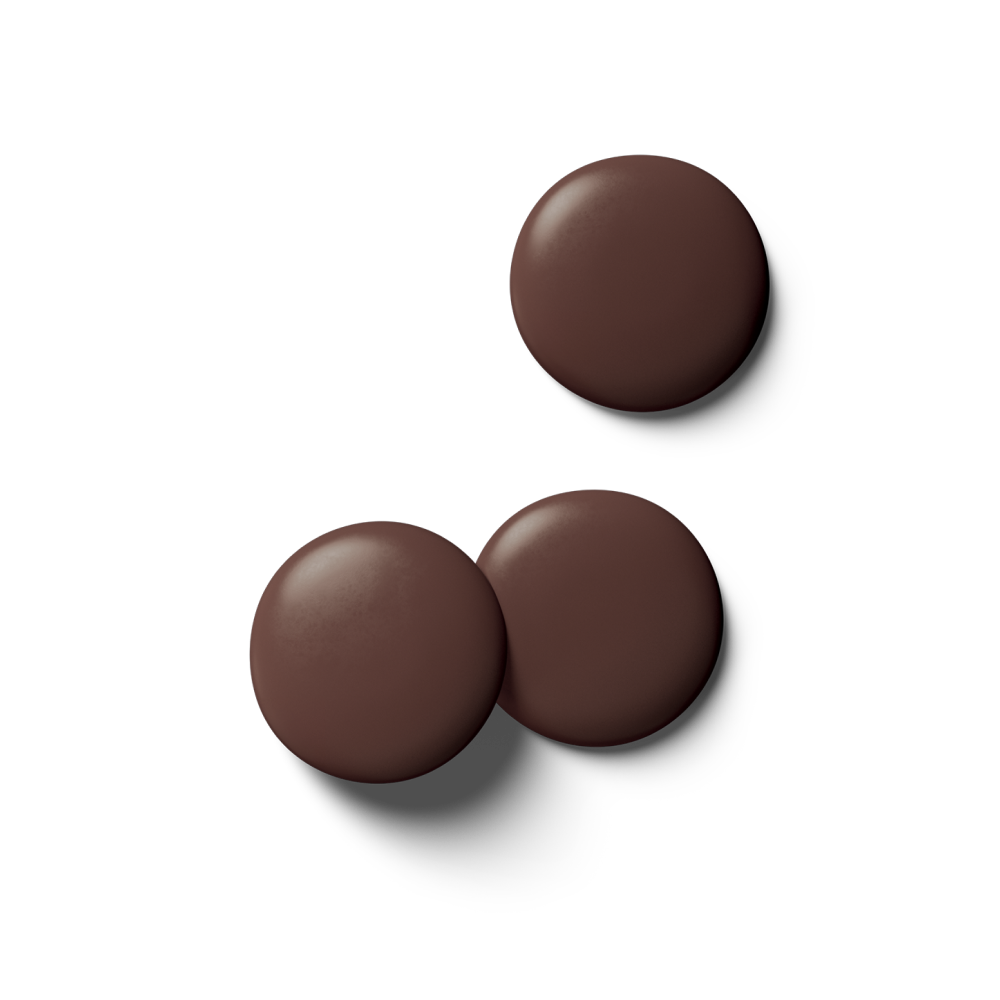
Guittard's newly reimagined Collection Etienne single origins line offers professionals a new tool to craft their desserts, and their dessert's unique stories-four new single-origin chocolates in wafer form: 72% Ecuador, 70% Grenada, 66% Peru, and 64% Madagascar. Each was crafted at the percentage best suited to the flavor characteristics and designed to highlight the fullest expression of each origin's bean, allowing more pairing flexibility as a technique to craft memorable desserts.

Pairing Flavors as a Technique
By Josh Johnson, Pastry Chef, Guittard Chocolate Company
Understanding how to utilize the unique flavor characteristics of each origin begins with understanding the science behind flavor pairings. There are two important concepts in flavor pairing to keep in mind: 1) combine flavors that complement each other, and that fall along the same spectrum, and 2) contrast and balance opposing flavors.
The first pairing technique referenced above explains why, for example, roasted hazelnut pairs well with caramel and rich butter cookie. These three ingredients are linear and share a roasted flavor profile; they pair very well together because they share a certain depth of flavor achieved through the Maillard reaction.
On the other hand, the second pairing concept demonstrates why two seemingly different tropical fruits-passionfruit and banana-are such a flavorful pair: the banana possesses a very mellow and sweet flavor, whereas passionfruit is very tart and bright in flavor. The sweetness and richness of the banana perfectly balances with the tartness of the passionfruit, without compromising the brightness.
The Collection Etienne Single Origin Ecuador (72%), for example, would work well with Earl Grey tea in a molded bonbon. Add a second layer with a light citrus marshmallow and or butter cookie pieces to play on the floral notes of this deep dark chocolate. The Peru (66%) would make a great verrine, with alternating layers of cremeux, morello cherry compote, hazelnut praline paste, and a layer of hazelnut dacquoise wonderfully enhancing the chocolate's fresh, bright fruitiness and acidity. The Madagascar (64%) and its smooth spiciness would work very nicely in a petit gateau with the mousse and cremeux created with the chocolate and a layer of cassis gelee, almond biscuit, and cacao nib crumble base, while the Grenada (70%) and its notes of apricot and young guava would pair well with Korintje cinnamon and a baked chocolate tart served with a dollop of orange marmalade and vanilla Chantilly cream.

Each of these suggested applications is designed to let the flavor elements of each origin really shine through-paired with ingredients that enhance, rather than obscure, and ultimately help carry the flavor of each single origin.
When it comes to working with chocolate, we can craft an exciting and nuanced flavor story and a truly memorable dessert experience by using ingredient pairing tricks to highlight the unique flavor profiles present in the chocolate. With Guittard's newly reimagined Collection Etienne single origin line, pastry chefs have the opportunity to really showcase the flavor characteristics of each origin by choosing paired ingredients that enhance, complement, and contrast with each origin's flavor profile. Through special and deliberate types of desserts or confections, professionals can dive deeper into the flavors of each chocolate, explore new flavor terrain, and create truly unique products for their customers-all while captivating with the story of where their ingredients came from.
Blackcurrent Bon Bons
Guittard Chocolate Company's Pastry Chef Donald Wressell formulated the following recipe to both complement the flavors of the chocolate and highlight the harmonious pairing that is created when bringing together the Collection Etienne Single Origin and a variety of fruit or tannic flavors. Use this recipe as a template to explore other seasonal pairings, fruits and ingredients.
The tart fruit notes of this single origin Madagascar combined with the fresh dairy notes of the 38% blend well; together, they balance the rich and noble flavor of blackcurrant.
INGREDIENTS
272 g blackcurrant puree 28 g granulated sugar
174 g heavy cream 35%
28 g glucose
341 g Guittard Madagascar 64%
85 g Guittard Soleil d'or 38%
35 g unsalted butter, softened
11 g lemon juice
25 g framboise
(Total weight: 1000 g)

METHOD
In a saucepan, bring the blackcurrant puree, sugar, cream and glucose to a boil. Pour over the chocolates in a bowl and let stand for 5 minutes.
At 95°F (35°C}, add the softened butter, lemon juice, and framboise and emulsify.
At 86°F (30°C), pipe into pre-cast Soleil d'Or 38% shells. Allow to crystalize overnight.
Cap with Soleil d'Or 38%.


