




THE JOURNAL | Baking Tips
Chips, Wafers, or Bars?
How to Choose the Right Chocolate for Cookies

In baking, chocolate does more than add flavor and sweetness. As it melts, softens, and redistributes, chocolate influences how a cookie spreads, sets, and ultimately feels when you bite into it. That fluid transition, from solid at room temperature to melting at nearly body temperature, is part of what makes chocolate so satisfying to eat.
While cacao percentage and origin matter, the physical form of chocolate—chips, wafers, or baking bars—plays a critical role in how it behaves in a cookie and how that cookie is experienced in the final bite. Understanding these differences helps bakers choose their chocolate inclusions intentionally, depending on the results they want.
Chocolate as an Ingredient
From an R&D standpoint, cookies are one of the clearest ways to see chocolate behavior at work. During mixing and baking, chocolate is exposed to shear (mechanical mixing), heat, and moisture while surrounding dough is setting and expanding. As this happens, cocoa butter softens and can migrate into the dough, altering texture and spread. Some chocolate holds its shape through this process; some melts and redistributes. The outcome depends on fat content, viscosity, and shape.
Fat Content, Viscosity, and Shape
The differences between chips, wafers, and baking bars come down to fat content, viscosity, and shape— and how they work together during baking.
Fat content (determined by amount of cocoa butter) drives how much chocolate melts and flows
Viscosity (fluidity when melted) determines whether it holds shape or spreads
Shape controls how quickly it heats and where it melts
Together, these factors define whether chocolate stays distinct (chips) or melts and disperses (wafers and chopped bars), ultimately shaping the cookie’s texture and structure.
Chocolate Chips: Holding Definition

Chocolate chips typically contain less cocoa butter. Due to their relatively low fat content, they hold their shape during baking.
What They Do in the Oven
Soften without fully melting
Release limited cocoa butter into the dough
Maintain their shape and placement
Eating Experience
Distinct pockets of chocolate
Immediate, defined hits of flavor
Clear contrast between chocolate and dough
When structure, visual clarity, and consistency matter most, chips are a reliable choice – but not a boring one. You can still switch things up with chip size or different cacao percentages for varying sweetness and chocolate impact.
Chocolate Wafers: Melt & Spread

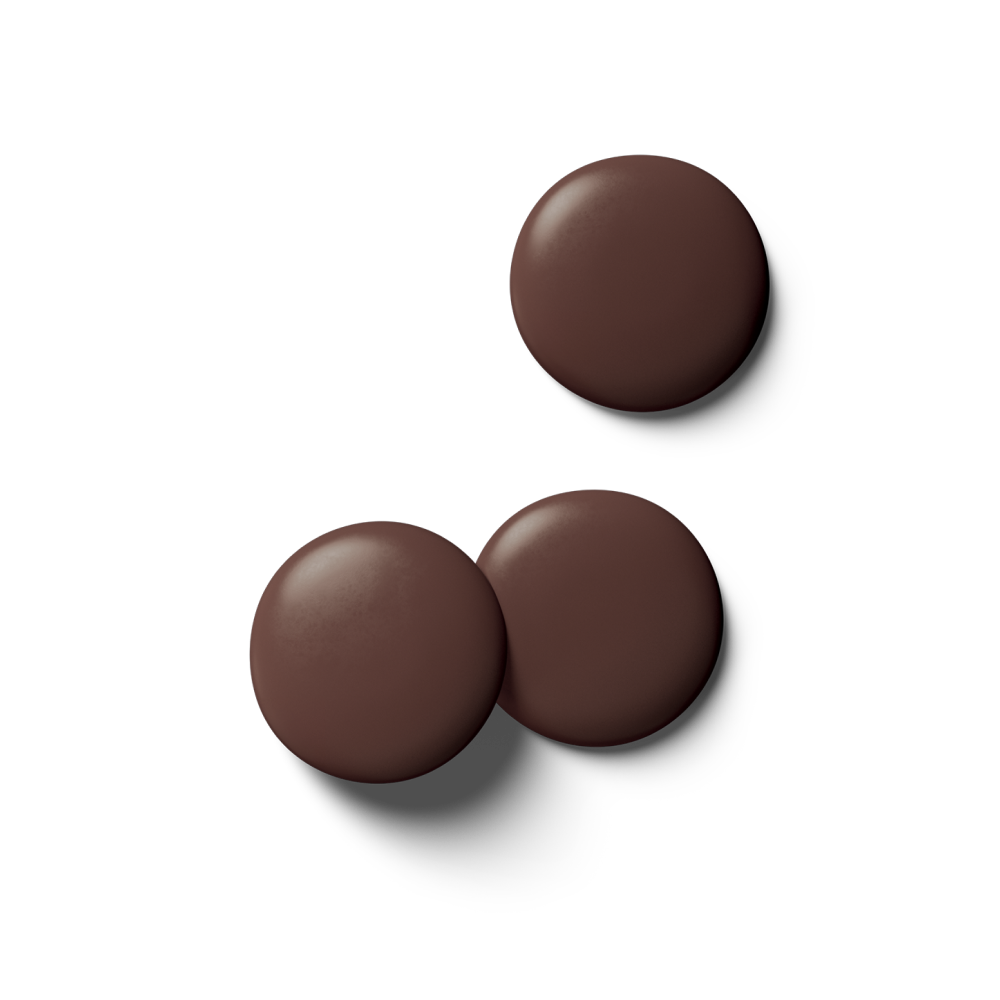
Wafers are designed to melt more readily. Their flat shape, larger surface area, and increased amounts of cocoa butter allow heat to penetrate quickly, encouraging chocolate to soften into wide puddles.
What They Do in the Oven
Partially melt and relax
May contribute some cocoa butter to the dough
Possible laminating effect
Eating Experience
Smooth, melted puddles of chocolate
A softer, more cohesive bite where chocolate and dough begin to merge
A layered effect within the cookie
Immediate, defined hits of flavor (similar to chips)
Wafers work well when the goal is a cohesive chocolate experience, with chocolate melted (but not entirely integrated) into the surrounding dough.
At Guittard, structure was a primary consideration when developing the Super Cookie Chip™. Inspired by both the chip and the wafer, we wanted to develop something that provided the more delicate bite of a wafer but kept its structure, like a chip. We ended up with flat, irregular-shaped chocolate discs that provide the balance we were looking for.
Baking Bars (Chopped): Letting Chocolate Lead

Baking bars are on par with wafers when it comes to fat content; their main differentiator is form. When baking bars are chopped, they introduce variation in size and shape, which affects how chocolate melts in a cookie. Larger pieces melt slowly while smaller fragments melt quickly, creating a range of textures within the same bake.
What They Do in the Oven
Melt and flow
Shape does not hold
Typically merge with the surrounding dough
Eating Experience
Integrated chocolate presence, rather than singular pockets
A less uniform look, depending on fragment size
This form shines when the goal is a gourmet, handmade look with unexpected chocolate hits of flavor.
Choosing with Purpose
There’s no single “best” chocolate form, only the one best suited to the result and application you want.
For defined chocolate contrast (and the traditional, nostalgic choice): chips
For a layered effect with puddles of chocolate: wafers
For visual interest: chopped bars
When chocolate form, formulation, and baking conditions work together, the result feels deliberate rather than incidental. Understanding how chocolate behaves, not just how it tastes, is what allows bakers to design texture and flavor with confidence.
